Vietnam North to South in Two Weeks: Hanoi to the Mekong Delta
By Ganesh ·

A two-week route through Vietnam from Hanoi and Ha Long Bay to Hue, Hoi An, Ho Chi Minh City and the Mekong Delta, with a day-by-day outline, regional seasons, street food and transport tips.
Vietnam is long and narrow. From north to south the climate, the food and even the pace of life change along the way. That makes a north-to-south trip one of the most rewarding ways to see the country. Two weeks is enough for the classic highlights if you pick your stops carefully and use a mix of flights, trains and road transfers.

The route at a glance
- Hanoi: the capital, with its Old Quarter, lakes and French-era boulevards.
- Ha Long Bay: limestone karsts rising from emerald water, a UNESCO World Heritage Site.
- Hue: the former imperial capital of the Nguyen dynasty, on the Perfume River.
- Hoi An: a beautifully preserved trading port, also on the UNESCO list.
- Ho Chi Minh City: still widely called Saigon, the country's busiest and most energetic city.
- Mekong Delta: a green maze of rivers, canals, orchards and floating markets.
Suggested day-by-day outline
Days 1–3: Hanoi
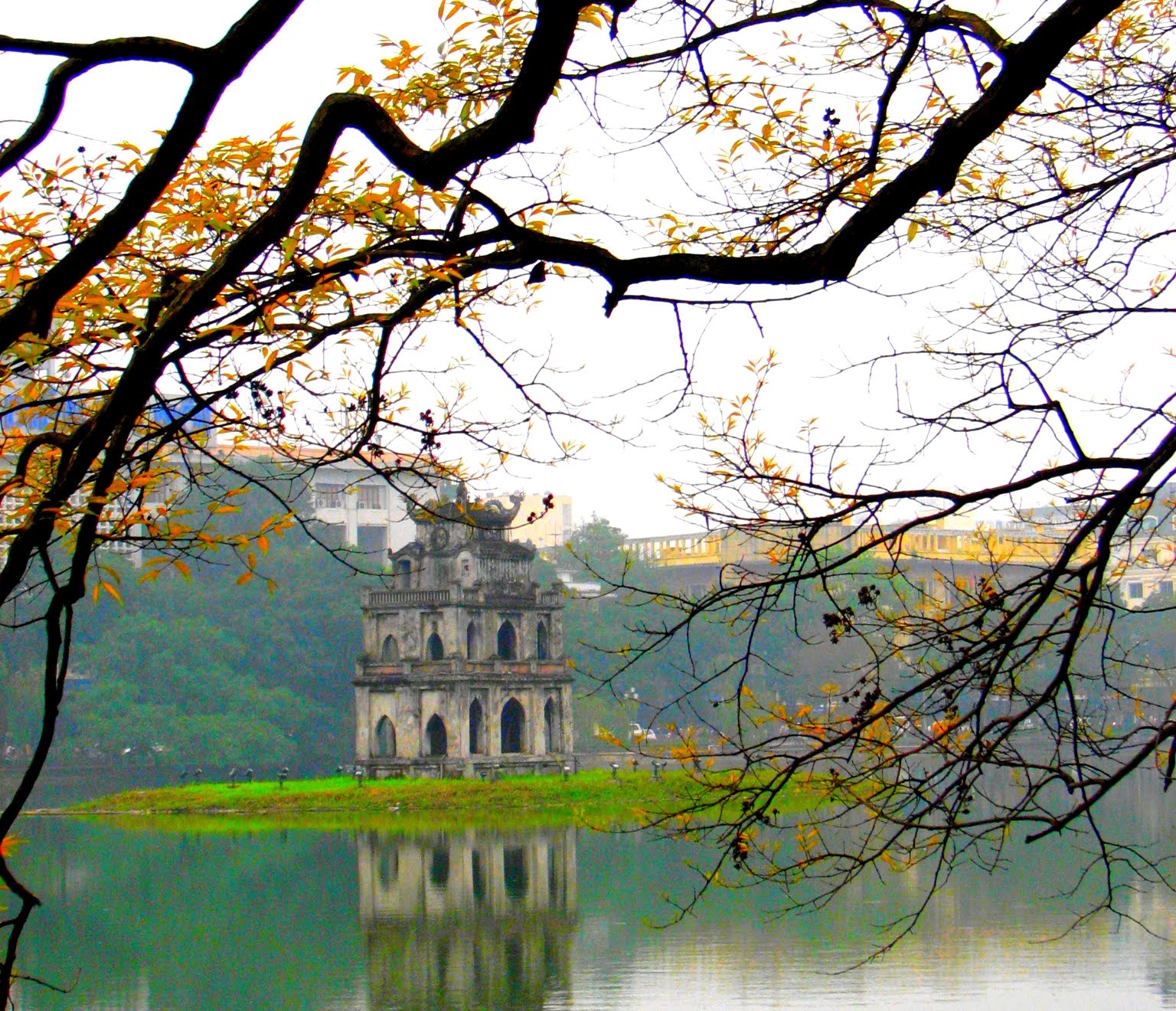
Spend your first day simply walking the Old Quarter, where streets were historically named after the goods once sold on them. Circle Hoan Kiem Lake in the early morning, when locals are out exercising. On day two, visit the Temple of Literature, Vietnam's first national university, and the Ba Dinh area around the Ho Chi Minh Mausoleum and the One Pillar Pagoda. Leave an evening for a water puppet show. Day three is a good buffer: a museum, a cooking class, or a day trip to Ninh Binh, known for karst scenery and rice fields.
Days 4–5: Ha Long Bay
Most visitors join an overnight cruise departing from the coast a few hours' drive from Hanoi. Kayaking, caves and sunrise from the deck are the highlights. Neighbouring Lan Ha Bay and Bai Tu Long Bay offer similar scenery and are often quieter, so compare options. Return to Hanoi on day five and take the overnight train or an evening flight south to Hue.
Days 6–7: Hue
Explore the Imperial City, the walled citadel that was the seat of the Nguyen emperors. On the second day, visit the royal tombs outside the city, such as those of Tu Duc, Minh Mang and Khai Dinh and stop at Thien Mu Pagoda on the riverbank. Try bun bo Hue, the city's famous spicy beef noodle soup.
Day 8: Over the Hai Van Pass to Hoi An
The road from Hue to Hoi An crosses the Hai Van Pass, one of the most scenic coastal drives in the country. A private car or a guided motorbike tour lets you stop at viewpoints.
Days 9–10: Hoi An
Wander the Ancient Town with its Japanese Covered Bridge, merchant houses and assembly halls, then return after dark when the lanterns are lit. Hoi An is known for its tailors, so if you want clothes made, order early in your stay to leave time for fittings. Take a half-day trip to My Son Sanctuary, the ruins of Cham temples and another UNESCO site. Do not leave without trying cao lau, a noodle dish closely tied to the town.
Days 11–12: Ho Chi Minh City
Fly from Da Nang, the nearest airport to Hoi An, to Ho Chi Minh City. Visit Ben Thanh Market, the Saigon Central Post Office and the Notre-Dame Cathedral area, and the War Remnants Museum. On day twelve, take a half-day trip to the Cu Chi Tunnels, and spend the evening eating your way through the street stalls. Com tam (broken rice) is a local staple.
Days 13–14: Mekong Delta and departure
Head into the Mekong Delta. A day trip covers towns such as My Tho or Ben Tre, with boat rides through coconut-lined canals. If you can stay overnight, Can Tho is the base for the Cai Rang floating market, which is busiest early in the morning. Return to Ho Chi Minh City for your flight home on day fourteen.


When to go: three regions, three climates
There is no single "best month" for all of Vietnam, because each region has its own pattern. As a general guide:
- North (Hanoi, Ha Long Bay): winters are cool and can be grey and misty, while summers are hot, humid and rainy. Spring and autumn are usually the most comfortable.
- Central (Hue, Hoi An): the dry, sunny months generally fall in the first half of the year. Autumn into early winter is the rainy season, with a risk of heavy rain, flooding and typhoons.
- South (Ho Chi Minh City, Mekong): tropical and warm all year, with a dry season roughly from December to April and a wet season with short, heavy afternoon showers for much of the rest of the year.
Also check the date of Tet, the Lunar New Year, which usually falls in late January or February. It is a wonderful time to see Vietnamese culture, but transport sells out and many shops and restaurants close for several days.
Street food you should not miss
- Pho: the noodle soup that originated in the north; try it for breakfast in Hanoi.
- Bun cha: grilled pork with rice noodles and herbs, a Hanoi lunch classic.
- Banh mi: the baguette sandwich found everywhere, with Hoi An's versions especially loved.
- Bun bo Hue, cao lau and com tam: regional specialities along your route.
- Ca phe: strong Vietnamese coffee, often with condensed milk; Hanoi's egg coffee is worth a try.
Busy stalls with high turnover are usually a good sign.
Getting around
- Domestic flights connect Hanoi, Hue, Da Nang and Ho Chi Minh City.
- The Reunification Express, the north–south railway, is slower but scenic, with sleeper berths for overnight legs. The Hue–Da Nang section is a highlight.
- Ride-hailing apps such as Grab are widely used in cities for cars and motorbike taxis.
- Private cars and tour transfers work well for Ha Long Bay, the Hai Van Pass and the Mekong Delta.
Practical tips
- Entry rules: visa and e-visa requirements depend on your nationality and change from time to time. Check the official Vietnamese government immigration portal or your nearest embassy before booking.
- Money: the currency is the Vietnamese dong. Cards are accepted in many hotels and restaurants, but carry cash for markets and street food.
- Crossing the street: walk at a steady, predictable pace and let the motorbikes flow around you.
- Temples: cover shoulders and knees when visiting pagodas and the Imperial City.
- Pace yourself: fourteen days is full; drop a stop rather than rush every one.
Plan it in Sancharees
Add Hanoi, Ha Long Bay, Hue, Hoi An, Ho Chi Minh City and the Mekong Delta to the right days in your itinerary so the whole route is on one map. Forward your flight, train and hotel confirmation emails to your Sancharees booking inbox and they will land on the correct days automatically. Then share the trip with your travel companions so everyone sees the same plan. Start planning your Vietnam trip in Sancharees.
Photos: Hạ Long Bay by Taewangkorea, CC BY-SA 4.0 · Boats on the river in Hội An by Supanut Arunoprayote, CC BY 4.0 · Turtle Tower on Hoàn Kiếm Lake, Hanoi by Cyril Doussin from London, United Kingdom, CC BY-SA 2.0 · The Imperial City, Huế by NguyenThanhBac123, CC0 · City Hall, Ho Chi Minh City by Steffen Schmitz, CC BY-SA 4.0 · Cao Lãnh Bridge over the Mekong by Bùi Thụy Đào Nguyên, CC BY-SA 4.0 (Wikimedia Commons)


Read in: দুই সপ্তাহে উত্তর থেকে দক্ষিণ পর্যন্ত ভিয়েতনাম: হানোই থেকে মেকং ডেল্টা পর্যন্ত · Zwei Wochen von Norden nach Süden Vietnam: von Hanoi bis zum Mekong-Delta · Vietnam de norte a sur en dos semanas: de Hanói al delta del Mekong · Le Vietnam du nord au sud en deux semaines : de Hanoï au delta du Mékong · दो हफ़्तों में उत्तर से दक्षिण वियतनाम: हनोई से मेकांग डेल्टा तक · 2週間で北から南までベトナム:ハノイからメコンデルタまで · ಎರಡು ವಾರಗಳಲ್ಲಿ ವಾಯುವರೆಗೆ ವಿಯೆಟ್ನಾಂ: ಹನೋಯಿಯಿಂದ ಮೆಕೊಂಗ್ ಡೆಲ್ಟಾಗೆ · രണ്ടാഴ്ചയിൽ വടക്കു മുതൽ തെക്കു വരെ വിയറ്റ്നാം: ഹനോയ് മുതൽ മെക്കോങ് ഡെൽറ്റ വരെ · दोन आठवड्यात उत्तरापासून दाक्खिणापर्यंत व्हिएतनाम: हॅनोईपासून मेकाँग डेल्टापर्यंत · இரண்டு வாரங்களில் வடக்கிலிருந்து தெற்கு வரை வியட்நாம்: ஹனோய் முதல் மீகாங் டெல்டா வரை · రెండు వారాల్లో ఉత్తరానికి చెందిన నుంచి దక్షిణానికి: హనోయి నుంచే మెకొంగ్ డెల్టా వరకు